


 01473 824212
Caught Out by Tromp l’Oeil
At first glance there appears to be a soldier walking past me here in the Stuart Morris studio. On second glance I realise that it is simply one of my colleagues trying out a new t-shirt and in short I have fallen prey to Diz’s latest trompe l’oeil designs for English Heritage (above).
Trompe l’oeil is a French term meaning ‘eye deceiver’ and refers to an artistic style popularised during the renaissance period and which is currently undergoing a modern day renaissance of its own. Trompe l’oeil is described as a ‘depiction of a person, place or scene that is so real it appears to be lifelike’.
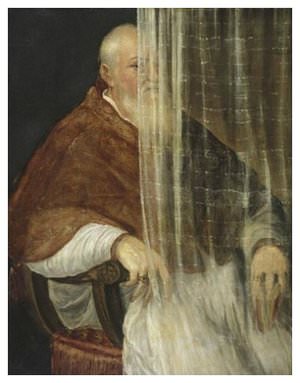
One of the first recorded instances of this style being used was in a competition between Italian artist Zeuxis and Greek artist
“I managed to deceive the birds but Parrhasius has managed to deceive me”.
Parrhasius in the 4thCentury BC. Zeuxis apparently painted a bunch of grapes which were so realistic that birds flew down and tried to peck at them. Pleased with himself, Zeuxis asked Parrhasius to pull back the curtain that was obscuring his painting so that he could see it properly. Unfortunately for Zeuxis the curtain was part of the painting and he had to declare Parrhasius the winner, saying:
This style of painting was widely practised from this time even though it was not respected by the critics of the day who considered it one of the lowest categories of art. Then came the 16th Century, the era of ‘New Science’ and a time of curiosity and investigation. This caused people to become strangely caught up with all things odd, mystical and even occasionally macabre. It is no surprise then trompe l’oeil, a painting style that blurred the lines between that which was real and that which was fictitious, flourished during this time.
One of the first recorded instances of this style being used was in a competition between Italian artist Zeuxis and Greek artist
“I managed to deceive the birds but Parrhasius has managed to deceive me”.
Parrhasius in the 4thCentury BC. Zeuxis apparently painted a bunch of grapes which were so realistic that birds flew down and tried to peck at them. Pleased with himself, Zeuxis asked Parrhasius to pull back the curtain that was obscuring his painting so that he could see it properly. Unfortunately for Zeuxis the curtain was part of the painting and he had to declare Parrhasius the winner, saying:
This style of painting was widely practised from this time even though it was not respected by the critics of the day who considered it one of the lowest categories of art. Then came the 16th Century, the era of ‘New Science’ and a time of curiosity and investigation. This caused people to become strangely caught up with all things odd, mystical and even occasionally macabre. It is no surprise then trompe l’oeil, a painting style that blurred the lines between that which was real and that which was fictitious, flourished during this time.
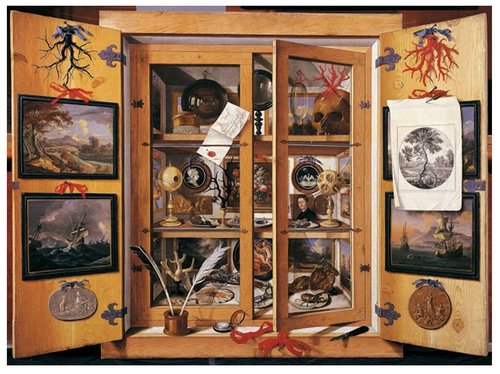
Domenico Remps, A Cabinet of Curiosity, 1690s.
These days paint is not the only medium used to create works of trompe l’oeil. At the moment there is quite a craze for this style in clothing with many t-shirts having printed images of scarves and necklaces that give the illusion of these accessories being real. Here are some examples of previous tromp l’oeil designs we have created for other clients.
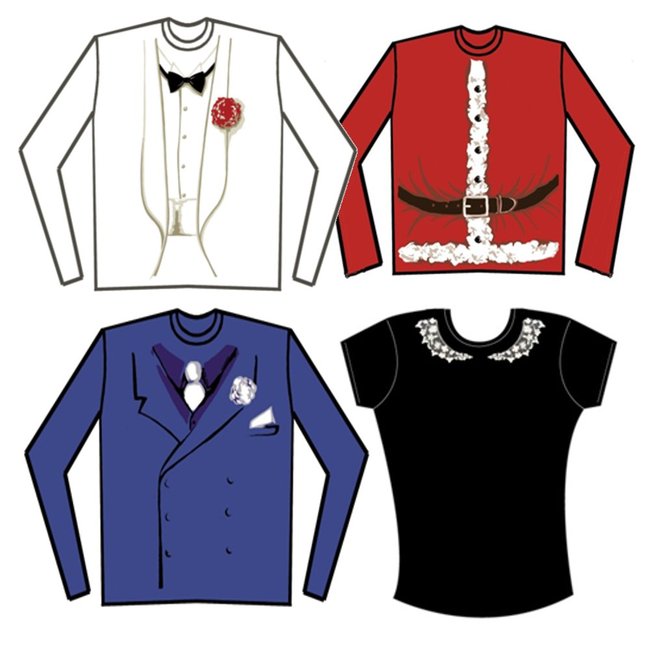
Unlike these tromp l’oeil pieces of artwork we do not deceive you when we say that our art department really can tackle any project!
 01473 824212